|
IN BRIEF
|
Transforming a limited space into a flourishing landscape can be a thrilling adventure. The key lies in selecting the right plants that not only thrive in cozy quarters but also bring vibrancy and charm to your outdoor haven. Small landscapes may present unique challenges, but they also offer opportunities for creative design. Whether it’s a compact garden or a balcony bursting with life, the appropriate choices can make your outdoor area feel expansive and inviting. Embrace the art of smart plant selection by exploring compact varieties that maximize your landscape’s potential while ensuring you enjoy a lush, vibrant environment. Let’s delve into the ideal plants that will elevate your small landscapes into breathtaking retreats of greenery and beauty.
Transforming a small landscape into a charming outdoor oasis can be quite rewarding. Selecting the right plants is fundamental to ensure that your limited space not only looks good but also thrives. With the right choices, small gardens can be functional, eye-catching, and a true reflection of your personal style. Here are some excellent plant options that can enhance your small landscapes.
Compact Vegetables and Herbs
For those who enjoy gardening and cooking, including compact vegetables and herbs can make small landscapes both practical and beautiful. These plants thrive in limited spaces without overwhelming them. Consider growing baby carrots, radishes, and cherry tomatoes, which can be easily accommodated in containers or raised beds.
In addition to vegetables, herbs are fantastic choices for small landscapes. Varieties like basil, thyme, and chives not only add flavor to meals but also bring delightful fragrances to your outdoor space. These herbs typically do not grow taller than a foot or so, making them perfect companions for your compact vegetable garden.
Small Flowering Plants
Color is essential in any garden, no matter the size. Small flowering plants can add that much-needed pop of color without overwhelming the space. Look for pansies, petunias, and marigolds, which provide vibrant blooms throughout the season while remaining small.
Another excellent addition is small flowering shrubs such as dwarf boxwood or dwarf nandina. These plants bring structure and greenery to your landscape while occupying minimal space. In addition, their evergreen foliage allows for year-round beauty, even when flowers fade away.
Vertical Gardening Solutions
When space is at a premium, vertical gardening can be a game-changer. This method allows you to expand your garden upwards, utilizing tools like trellises and vertical supports. Plants such as pole beans, cucumbers, and peas can be trained to grow vertically, freeing up valuable ground space for other plants.
Beyond vegetables, consider planting vining flowers like morning glories or nasturtiums. These stunning climbers harness the potential of vertical space, creating a lush environment that attracts pollinators while also providing visual interest.
Low-Maintenance Succulents
For those who prefer easy-care plants, incorporating succulents into a small landscape is a wise choice. Known for their stunning shapes and adaptability, succulents such as jade plants, haworthia, and aloe vera thrive with minimal watering and care.
These plants are perfect for container arrangements or rock gardens, and they can withstand periods of neglect, making them ideal for busy individuals or beginners in gardening. Their unique textures and colors can create a stunning visual impact within a limited space.
Shade-Loving Plants
Although limited, many small landscapes may still present shaded areas, especially next to buildings or larger trees. If your garden lacks direct sunlight, focus on shade-loving plants that thrive in such conditions. Ferns, hostas, and lamium are excellent options that can flourish beautifully in the shade.
Add a touch of elegance with Japanese painted ferns or bleeding hearts, as they create a lush atmosphere. These plants often produce striking foliage and can provide the intrigue that smaller gardens sometimes lack.
Dwarf Trees for Small Gardens
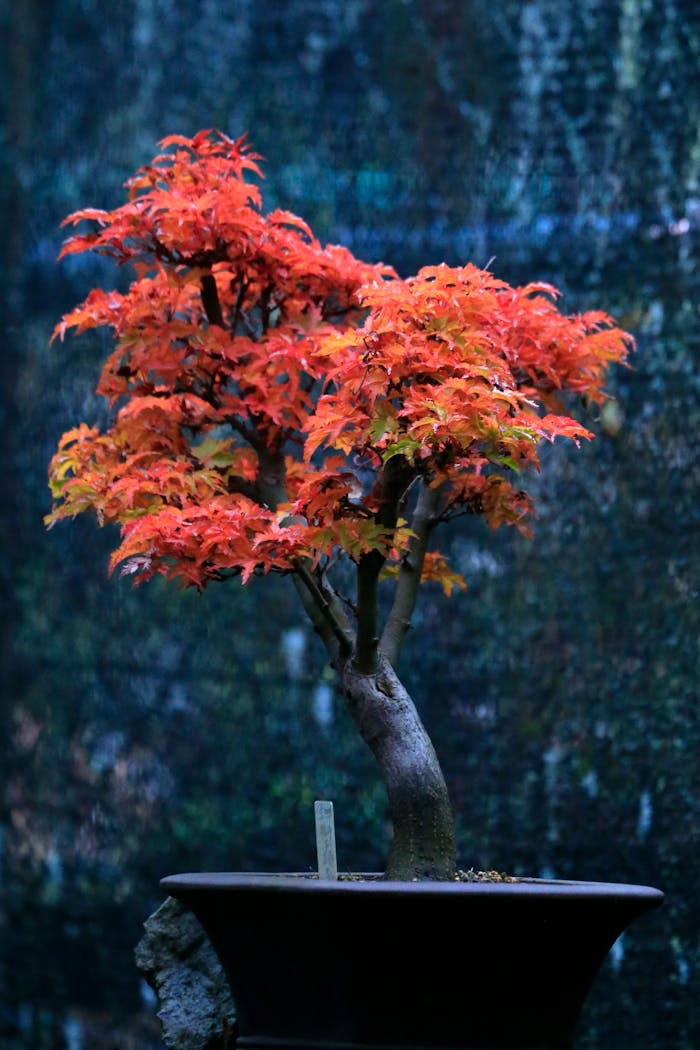
If you dream of having trees in your small landscape, consider dwarf tree varieties. Species like the pygmy date palm and Japanese maple are perfect because they retain their compact size, making them suitable for small gardens or even containers.
Dwarf trees can enhance vertical interest and provide shade or a focal point in your landscape. Their manageable size allows you to enjoy the benefits of trees without overwhelming the space. Placing them strategically can positively affect your small garden’s layout.
Plants for Unique Textures and Foliage
Adding plants with interesting textures and foliage variety can elevate the aesthetic charms of your small landscape. Plants like fittonia (nerve plant) and alocasia polly bring drama with their striking patterns and leaves.
Moreover, species such as Peperomias and string of pearls can introduce delightful variations in form and texture. Their versatility in arrangement allows you to place them in various spots, enabling you to create a visually dynamic space.
Consider Native Plants for Biodiversity
Incorporating native plants not only supports local wildlife but can also minimize maintenance efforts since these plants are adapted to the local climate and soil conditions. Explore a range of native flowering plants, shrubs, and grasses that can provide seasonal interest while attracting beneficial wildlife.
For example, echinacea and black-eyed Susans can create a colorful display while drawing in butterflies and birds. By selecting plants that naturally thrive in your area, you enhance biodiversity and foster a harmonious ecosystem in your small landscape.
Creating Edible Landscapes
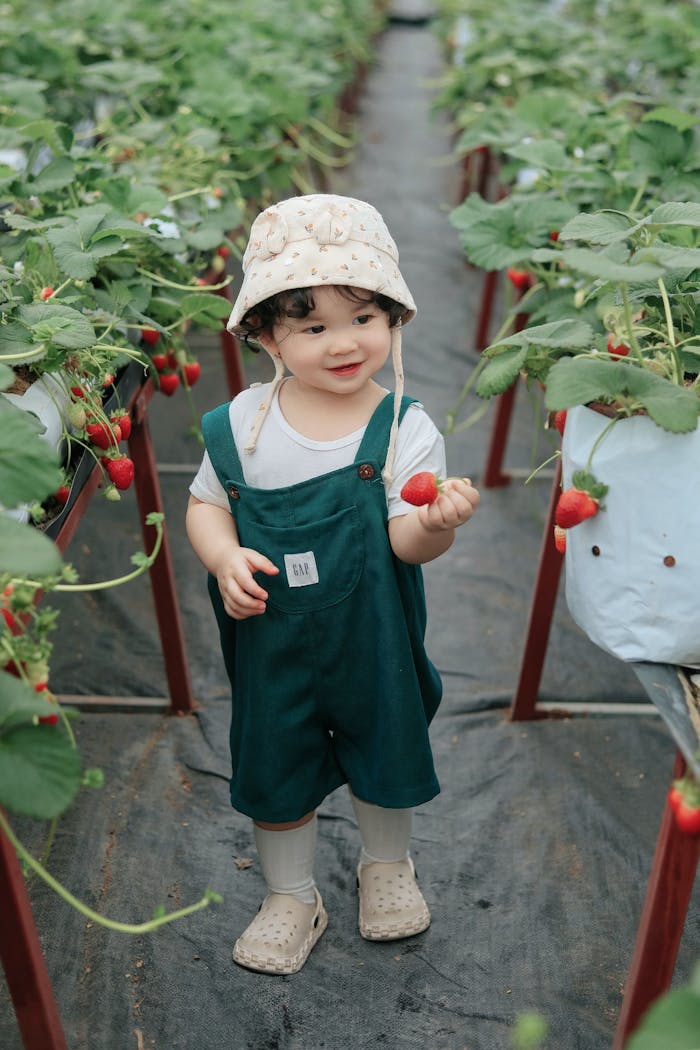
Choosing edible plants is an imaginative approach to maximizing small landscapes. By incorporating fruiting plants such as strawberry plants, dwarf apple trees, and raspberries, you can transform your garden into a practical and beautiful food source.
This not only provides visually pleasing arrangements but also the joy of harvesting fresh produce from your own small oasis. Edible landscaping can invigorate any limited space, encouraging you to connect with nature and enjoy the fruits of your labor.
Maintaining Balance and Cohesion
When designing a small landscape, maintaining balance and cohesion is crucial. Consider how plants complement one another in terms of height, color, and texture. A thoughtful arrangement can prevent a cluttered appearance while promoting a harmonious environment.
Utilize contrasting colors and textures to create visual interest without overcrowding the space. Aim to have taller plants positioned at the back of beds or containers while allowing shorter plants to flourish in front, ensuring that all elements are visible.
Maximizing Vertical Space with Container Gardens
Container gardens are significant for small landscapes, allowing diverse arrangements without consuming extensive ground area. You can choose various sizes and shapes of containers to fit your style and requirements. Group different plants together to create stunning displays while applying different heights to add dimension.
Ensure that the containers have adequate drainage to prevent root rot, and utilize self-watering plans to maintain consistent moisture levels. Container gardens also offer the advantage of flexibility, allowing you to rearrange or change them as your gardening preferences evolve.
Utilizing Raised Beds Effectively
Raised beds are an essential tool for optimizing small landscapes. They allow you to control soil quality, drainage, and provide a defined growing space. Raised beds are particularly useful for growing vegetables, flowers, or herbs, enabling taller crops and relieving strain on your back when gardening.
Using narrow raised beds ensures easy access to all plants without stepping into the bed, helping avoid soil compaction. Furthermore, amending the soil with organic matter can support healthy plant growth and maximize productivity in limited spaces.
Choosing Plants for Diverse Climate Conditions
When selecting plants, it is essential to consider the specific climate conditions of your area. For example, regions with harsh winters might benefit from cold-hardy plants, while warmer climates may require drought-resistant choices. Research local plant guilds and communities to gain insight into suitable varieties that perform well in your specific location.
Additionally, understanding your garden’s microclimates—such as sun, shade, or wind—helps ensure that you select plants that fit those criteria. Tailoring your plant selections to the precise conditions of your landscape will yield healthier plants and a more flourishing garden.
Engaging in Regular Maintenance and Care
Maintaining your small landscape requires dedicated attention to ensure plants remain healthy and vibrant. Regular watering, pruning, and fertilization can significantly enhance growth and blooming potential. Observe each plant’s unique needs, as different species may have varying water requirements and nutrient needs.
Monitoring for signs of pests and diseases is crucial in a small landscape. Early identification enables more manageable interventions, increasing the chances of saving threatened plants. Incorporating organic controls, such as beneficial insects, reduces reliance on chemical options, ensuring a sustainable gardening approach.
Ultimately, the ideal plants for small landscapes are those that reflect your style, create a harmonious environment, and thrive in limited spaces.
Choosing the Right Plants for Limited Spaces
Creating a small landscape can be a rewarding yet challenging endeavor. One of the most critical decisions is selecting the right plants that not only fit the spatial constraints but also enhance the overall aesthetic. Compact varieties are ideal choices for small landscapes, providing vibrant colors and textures without overwhelming the area. For instance, dwarf shrubs such as boxwood or dwarf nandina serve well, as they maintain their shape and size while offering greenery and structure to the design. These plants can be integrated into borders or used as focal points to create depth.
Furthermore, incorporating flowering plants like pansies and marigolds adds visual interest and attracts pollinators. These small plants bloom profusely and can fill gaps in the landscape without demanding too much space. When combined thoughtfully, their colors can bring life and warmth to your garden. In fact, ornamental grasses, such as blue fescue, are excellent for creating texture. They occupy minimal space but make a bold statement due to their graceful form.
Utilizing Vertical Space
With limited ground area, exploring vertical gardening options adds an exciting dimension. Climbing plants like pole beans or cucumbers can be grown on trellises, thereby maximizing your planting area while adding height and intrigue. As the popular saying goes, “the best way to predict your future is to create it.” Transforming a compact space into a lush retreat is entirely possible with thoughtful plant choices and design strategies. By combining compact plants with vertical elements, you can enhance your small landscape and truly make every inch count.
Transforming your small landscape into a blooming retreat requires thoughtful plant selection. Embrace compact varieties that are designed for limited spaces, such as dwarf shrubs, vibrant
FAQ: Ideal Plants for Small Landscapes
A: Compact vegetables like cherry tomatoes, radishes, and baby carrots are perfect for small gardens as they can grow well in containers or raised beds.
Q: Which herbs work best in tiny outdoor spaces?
A: Herbs such as basil, thyme, and chives are great choices for tiny landscapes since they thrive in limited space.
Q: Can small flowering plants enhance the appearance of a compact garden?
A: Yes, small flowering plants like pansies, marigolds, and petunias add vibrant color without overcrowding.
Q: What types of shrubs are suitable for small landscapes?
A: Dwarf shrubs such as boxwood and dwarf nandina provide structural beauty while taking up minimal space.
Q: How can I maximize vertical space in my small garden?
A: You can utilize vertical gardening techniques by growing plants like pole beans, cucumbers, and climbing flowers on trellises.
Q: What maintenance tips should I follow for small garden plants?
A: Regular watering, proper fertilizing, and pest control are essential to keep your small garden healthy and thriving.
Q: Are there specific light requirements for plants in small landscapes?
A: Yes, plants like rosemary and tomatoes need full sun, while leafy greens and ferns can thrive in shaded areas.