|
IN BRIEF
|
Imagine strolling through a garden where every turn reveals captivating plant sculptures that delight the senses and provoke thought. These enchanting creations blend nature with artistry, transforming ordinary spaces into stunning visual narratives. To truly elevate your garden, understanding the art of integrating these sculptures is essential. From the delicate curves of metal vines to the bold forms of wooden installations, plant sculptures can serve as striking focal points and conversation starters. By carefully considering placement, theme, and materials, you can harmonize these artistic elements with the surrounding flora, breathing life and personality into your outdoor haven. Join us as we explore the techniques to thoughtfully incorporate these artistic wonders into your garden design.
Understanding Plant Sculptures in Garden Design
Plant sculptures are artistic elements that incorporate a variety of natural or artificial materials to create visually striking focal points within gardens. These pieces not only enhance the overall aesthetic appeal of the space but also provide a unique way to express personal style and creativity. To effectively incorporate plant sculptures into garden design, it’s crucial to consider various factors, including style, materials, placement, and harmony with existing plants and features.
Choosing the Right Type of Plant Sculpture
When considering plant sculptures, the first step is to define what you envision for your garden. The type of sculpture you choose will significantly influence the atmosphere and style of your garden. Here are several types to consider:
Natural Plant Sculptures
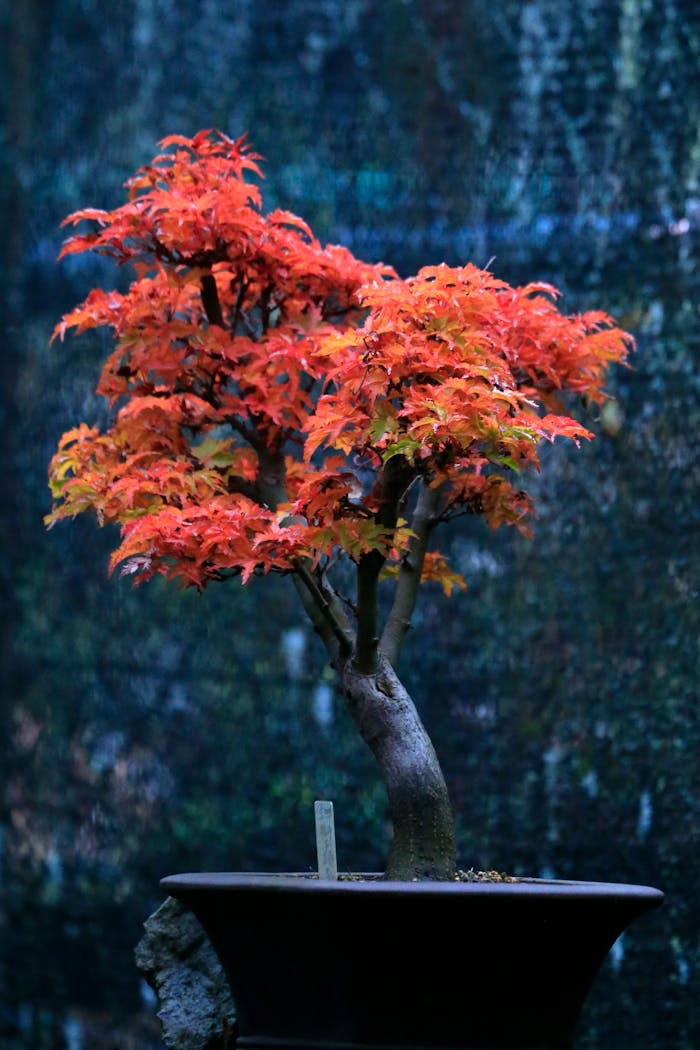
Utilizing natural elements like driftwood, stones, or topiaries can introduce organic textures into your garden. Natural plant sculptures often blend harmoniously with the surrounding landscape, providing a seamless transition from nature to art. These can also include living sculptures, such as shaped hedges or trees trained into specific forms.
Metal and Abstract Sculptures
For a modern or contemporary garden, metal sculptures offer a striking contrast to soft plant materials. These sculptures can serve various functions; for instance, intricate designs can act as wind catchers or garden stakes. Metallic finishes reflect light, creating dynamic visual effects throughout the day.
Whimsical Installations
Intriguing pieces such as fairy figures or whimsical animals can infuse your garden with a sense of playfulness. These sculptures are particularly suited for family gardens, adding a layer of joy for children and adults alike. Choose vibrant colors and playful forms to really capture attention.
Material Considerations for Durability
Selecting the right material is crucial for ensuring your sculptures withstand the elements while maintaining their beauty. Various materials offer unique advantages:
Stone and Concrete
Stone and concrete sculptures bring a timeless quality to garden design. They boast unparalleled durability and can remain unchanged over the years, making them ideal for long-term placements. With diverse options available, from rough-hewn pieces to polished designs, there’s likely a stone sculpture to match any aesthetic.
Wood
While wooden sculptures can provide a natural yet artistic look, they require maintenance to prevent decay. Treated wood is preferable for outdoor use, ensuring longevity while allowing for varied designs from rustic charm to modern elegance.
Glass and Ceramics
Glass and ceramic sculptures can introduce pops of color and artistic flair. However, these materials may be less durable and require careful placement in sheltered spots to protect them from harsh weather. They can be particularly striking when used with sunlit gardens, as they can create stunning reflections and shadows.
Strategic Placement to Maximize Impact
The placement of plant sculptures can significantly influence their impact and the overall harmony of your garden space. Here are some effective strategies:
Create Focal Points
Positioning sculptures where they can draw the eye is essential. A large, captivating piece at the garden’s entrance or at the end of a pathway encourages exploration and discovery. Conversely, smaller sculptures can be integrated into flower beds or positioned beside seating areas, inviting closer inspection.
Connect with Existing Features
Integrate sculptures with existing structures, such as walls, fences, or water features. They can act as delightful surprises that enhance these elements instead of overshadowing them. For instance, a tall sculpture near a garden wall creates an engaging backdrop, while smaller pieces can complement a cluster of vibrant flowers.
Utilizing Plant Color
When placing sculptures, it’s wise to consider the surrounding plant colors. Positioning sculptures amidst contrasting hues can highlight both the art and the plants. For example, a dark sculpture will stand out against bright blooms, creating a balanced and visually engaging landscape.
Designing a Cohesive Theme
To create a visually pleasing garden, ensure that the sculptures align with your overarching design theme. Consistency in style will tie the space together:
Identify Your Aesthetic
Consider whether your garden leans towards traditional, eclectic, modern, or rustic styles. For instance, a contemporary garden may be best complemented by sleek metal or abstract sculptures, while a cottage garden may benefit more from classic stone or whimsical figures.
Functional Art Pieces
Combining functionality with art is an increasingly popular trend in garden design. Sculptures like creative birdbaths, artistic benches, or distinctive trellises can serve practical roles while serving as stunning visual elements. Adding functionality enhances the overall experience of your garden and invites more interaction.
Lighting to Enhance Visibility
Proper lighting can dramatically alter the appearance of sculptures, particularly in the evening:
Illuminate Strategically
Highlighting sculptures with strategically placed lighting can create dramatic effects that enhance their beauty. Solar lights directed towards the focal points can draw attention and create enchanting atmospheres. Ensure the lights do not overpower the natural ambiance; subtlety is key.
Nighttime Landscape
Think about how the garden will look at night. Sculptures with reflective surfaces or intricate designs will hold up beautifully under soft lighting, casting stunning shadows and engaging viewers even after sundown. Consider including path lights that lead to the sculptures, adding both mood and safety to the area.
Maintenance for Longevity
Ensuring that your sculptures remain in pristine condition is essential for maintaining their beauty over time. Here are maintenance tips for different types of materials:
Regular Cleaning
Dust and debris can accumulate over time, dulling the surfaces of your sculptures. Regular cleaning with gentle materials suited to the sculpture’s composition is essential for preservation. For instance, use a soft brush for stone and metal and a damp cloth or sponge for ceramic and glass pieces.
Weatherproofing
If your sculptures are made from sensitive materials like wood or certain metals, consider applying protective coatings. Sealants can guard against the elements, ensuring that the art maintains its intended appearance, even during extreme temperatures or moisture.
Encouraging Personal Expression through Art
Every garden is a reflection of its owner; therefore, incorporating personal expressions into the landscaping through sculptures allows individuals to create a unique atmosphere:
DIY Sculptures
Engaging in DIY projects provides an opportunity to showcase creativity. Recycled materials can be transformed into one-of-a-kind sculptures that reflect personal style and environmental consciousness. Using old items or natural elements can create significant conversational pieces that connect with the garden’s overall theme.
Seasonal Adjustments
Consider changing the sculptures according to seasons. For instance, incorporating holiday-themed sculptures or seasonal decorations can keep the garden fresh and exciting throughout the year. This approach also invites you and your guests to celebrate various times of the year within the garden setting.
Integrating Nature into Sculptural Designs
Working with plants and nature to develop sculptures can enhance the overall feel of your garden:
Living Sculptures
Living sculptures can be created by training plants into specific shapes or arrangements. For instance, using standard trees or trained bushes can offer beautiful natural focal points. These living sculptures may require skilled care, but they provide an evolving piece of art that changes throughout the seasons.
Incorporating Natural Materials
Consider creating sculptures from natural materials that resonate with the garden’s environment. Using branches, stones, or even plant-related items can create a more harmonious and organic look. By intertwining natural elements, you can foster a stronger bond between the garden’s art and the landscape.
Exploring Community and Collaborative Options
Collaborating with local artists or garden clubs can open up opportunities for unique sculptures. Engaging within the community fosters creativity. Many artists may be willing to contribute their talents, enriching your garden with local flair and artworks that reflect regional culture.
Art Shows and Exhibitions
Participate in local art shows and exhibitions, which often highlight garden sculptures. These events not only provide exposure for your garden but also connect like-minded individuals who share similar interests in landscape design and artistry. You may discover unique talents or find pieces that resonate deeply with your garden vision.
Workshops and Classes
Joining workshops or classes focused on garden art can equip you with new skills for creating and placing sculptures in your landscape. Collaborative learning provides a dual benefit—the community atmosphere allows for the sharing of ideas, techniques, and resources, enhancing your overall gardening journey.
Navigating Local Climate Considerations
Gardens face varying climates and weather conditions that need to be accounted for when choosing and placing sculptures:
Understanding Local Weather Patterns
Awareness of climate considerations is vital. Certain sculptures, particularly those made from more delicate materials like ceramics or glass, may require special attention depending on the climate. Understanding the local weather patterns will assist you in selecting appropriate materials and determining optimal placements.
Adapting to Seasonal Changes
Recognizing how artworks will interact with seasonal changes can guide your gardening plans. Some materials may fare better in summer but become damaged as temperatures drop. Therefore, strategic seasonal planning is essential for caring for both the plants and sculptures in your garden.
Understanding the Impact of Plant Sculptures
Incorporating plant sculptures into garden design can elevate your outdoor space, blending flora and artistry seamlessly. These sculptures, ranging from tree-shaped structures to creatively pruned topiaries, not only serve as eye-catching focal points but also evoke emotions and stimulate conversations. As discussed by landscape experts, “Art in the garden transforms mere beauty into meaningful expression.” This profundity emphasizes the importance of carefully selecting sculptures that resonate with the desired theme of the garden.
Transitioning from traditional plant arrangements to those that include sculptures can enhance the overall aesthetic appeal. For instance, a tall, metallic trellis shaped like a tree can function as both a support for climbing plants and a striking piece of art. By integrating such sculptures along pathways, you can guide visitors’ eyes through the garden while providing subtle surprises around every corner. Additionally, lighting plays a significant role; illuminating these sculptures at night allows for a dynamic shift in mood, enhancing the experience of the garden.
Placement and Scale Considerations
When incorporating plant sculptures, it is crucial to consider both placement and scale. Large sculptures demand spacious surroundings to prevent overwhelming smaller gardens. Conversely, compact sculptures can add charm without taking up too much visual space. For example, placing a small, whimsical bird sculpture amid a vibrant flowerbed complements its surroundings, creating a playful atmosphere. Furthermore, experimenting with different heights and layering by positioning sculptures among various plant heights can provide depth and texture, enhancing the overall visual interest of the garden.
In summary, integrating plant sculptures thoughtfully into your garden design can transform an ordinary landscape into a captivating sanctuary that reflects personal style and creativity.
Incorporating plant sculptures into your garden design offers a vibrant way to enhance your outdoor space. By blending natural elements with artistic expression, you create unique focal points that attract the eye and spark curiosity. Consider the scale of your sculptures to ensure they harmonize with the surrounding flora, and remember the importance of placement—strategically position these sculptures to draw visitors through your garden. Additionally, integrating lighting can elevate the visual experience, especially at dusk. Each piece can tell a story, reflecting your personal style while nurturing a connection with the natural environment. By thoughtfully selecting and arranging your sculptures, your garden can become an enchanting landscape, alive with creativity.
Frequently Asked Questions about Incorporating Plant Sculptures into Your Garden Design
Q: What are the benefits of adding plant sculptures to a garden design? Plant sculptures enhance the garden’s aesthetic appeal, serve as creative focal points, and can reflect personal style, adding character and narrative to the space.
Q: How do I choose the right plant sculptures for my garden? Consider the theme of your garden, the scale of the sculptures, and the durability of materials to ensure that they harmonize with your landscape.
Q: Where should I place plant sculptures in my garden? Position sculptures at strategic locations such as the end of pathways, near water features, or within flower beds to create focal points.
Q: Can I create my own plant sculptures? Yes! DIY plant sculptures made from materials like wood, metal, or even recycled items can add a personal touch and make your garden truly unique.
Q: How can I ensure my plant sculptures are weather-resistant? Use weatherproof coatings, select materials known for their durability, and apply sealants to protect against the elements.
Q: Should I consider lighting for my plant sculptures? Absolutely! Strategically placed lighting can highlight them at night and create an enchanting atmosphere, enhancing the overall garden experience.
Q: What types of materials work best for outdoor plant sculptures? Stone, metal, and treated wood are ideal choices for their durability in outdoor conditions.
Q: How do I maintain my plant sculptures over time? Regular cleaning, applying protective coatings, and inspecting them after extreme weather conditions are essential for maintaining their beauty.